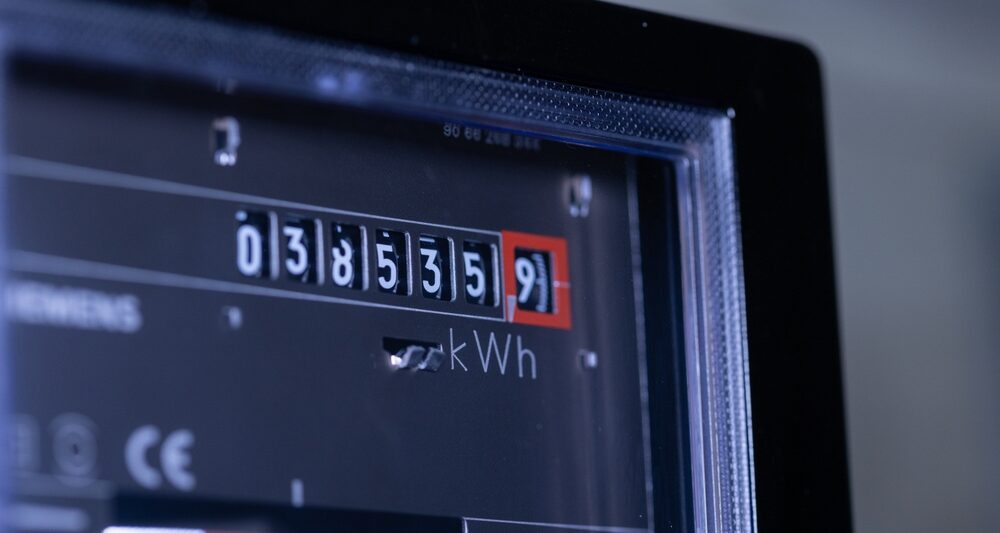
If you’ve ever looked at your electricity bill, you’ve probably seen the term “kWh” listed next to your usage. But what does it actually mean, and why does it matter?
Understanding what a kWh is can help you make smarter decisions about your energy usage and better understand what you’re paying for each month.
What Is a kWh?
A kWh, or kilowatt-hour, is a unit of measurement used to track how much electricity you use over time. It represents the amount of energy used when a 1,000-watt (1 kilowatt) device runs for one hour.
Think of it like miles on your car. Just like miles measure how far you’ve driven, kWh measures how much electricity you’ve used.
How Does a kWh Work in Real Life?
Here’s a simple way to picture it:
- Running a 1,000-watt microwave for 1 hour = 1 kWh
- Running a 100-watt light bulb for 10 hours = 1 kWh
- Running a 2,000-watt space heater for 30 minutes = 1 kWh
Different appliances use electricity at different rates, but everything ultimately adds up in kWh on your bill.
Why kWh Matters on Your Electricity Bill
Your electricity bill is largely based on how many kWh you use during a billing cycle, along with the rate you pay per kWh.
That means two key factors determine your bill:
- How much electricity you use (kWh)
- How much you pay per kWh (your rate)
Even small increases in usage—especially during peak seasons—can add up quickly if you’re not paying attention.
What Uses the Most kWh in Your Home?
Some appliances and systems use more electricity than others. The biggest contributors in most homes include:
- Air conditioning and heating systems
- Water heaters
- Dryers and ovens
- Refrigerators (running constantly)
Understanding which devices use the most electricity can help you manage your overall kWh usage more effectively.
How to Lower Your kWh Usage
Reducing your electricity usage doesn’t have to mean sacrificing comfort. A few simple changes can make a noticeable difference:
- Adjust your thermostat by a few degrees based on the exterior temperature. The closer the temp to outside, the more you’ll save
- Use ceiling fans to reduce A/C usage. And be sure it’s spinning in the correct direction!
- Turn off lights and electronics when not in use
- Replace air filters regularly
- Switch to LED lighting
Over time, these small habits can lead to meaningful savings.
Why Understanding kWh Helps You Save
When you understand how electricity is measured, it becomes easier to connect your daily habits to your monthly bill. Instead of guessing why your bill changed, you can look at your kWh usage and know exactly what’s driving it.
Pairing that knowledge with the right electricity plan makes an even bigger difference.
And when it comes to keeping things simple, 4Change Energy offers transparent pricing and competitive rates designed to help you manage your electricity usage with confidence all year long.