
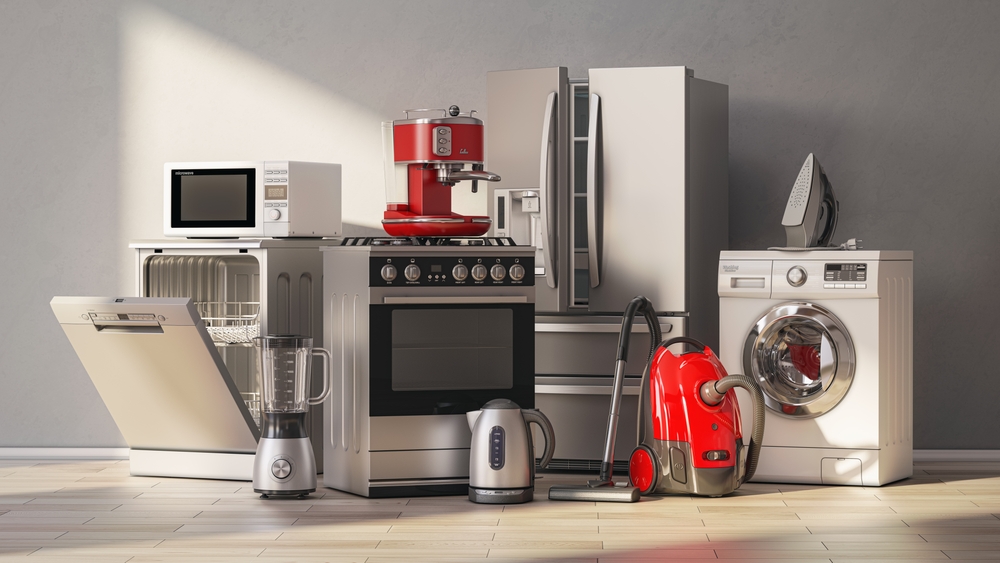
Everyone has at least once opened their energy bill and thought, “What the heck is using all this electricity?”. Many households are surprised to learn how quickly everyday appliances add up. The good news is that understanding where your electricity is being used most is one of the easiest ways to control your costs.
Here’s a simple breakdown of common household appliances and how much electricity they typically use, plus tips to keep usage in check.
The Biggest Electricity Hogs in Your Home
Heating and Cooling (HVAC)
Your HVAC system is usually the largest energy user in your home, especially during hot Texas summers. Air conditioning alone can account for nearly half of your electricity usage during summer months. Keep in mind, even small thermostat adjustments or regular maintenance can make a noticeable difference when it comes to your usage.
Refrigerator
Your refrigerator runs 24/7 (better go catch it), which makes it one of the top energy users year-round. Most modern refrigerators use between 400 and 800 kWh per year. Keeping the coils clean and avoiding overfilling helps it run more efficiently.
Everyday Appliances That Add Up
Washer and Dryer
Washing machines use moderate amounts of electricity, but dryers are another story. Electric dryers can use anywhere from 2 to 6 kWh per load. Quick Tip: Using cold water for washing and air-drying when possible can reduce costs.
Dishwasher
A dishwasher typically uses 1 to 2 kWh per cycle. Running full loads and using the air-dry setting instead of heat-dry can lower electricity usage without sacrificing clean dishes.
Oven and Stove
Electric ovens use a significant amount of power, especially during holidays or frequent home cooking. An electric oven can use 2 to 5 kWh per hour. Using smaller appliances like slow cookers, air fryers, or toaster ovens can save energy for smaller meals.
Electronics and Entertainment
Televisions
Modern TVs are more efficient than older models, but hours of daily use still add up. A typical LED TV uses about 100 kWh per year, depending on size and usage.
Gaming Consoles and Streaming Devices
Gaming consoles, streaming boxes, and sound systems may seem small, but many draw power even when not in use. Putting these devices on a power strip and turning it off when not needed can reduce “phantom” energy use.
Computers and Home Office Equipment
Laptops are relatively efficient, but desktop computers, monitors, and printers can increase electricity use—especially if they’re left on all day. Enabling sleep mode helps cut unnecessary consumption.
Small Devices, Big Impact Over Time
Water Heater (Electric)
Electric water heaters are one of the top energy users in a home, especially for families. Hot showers, laundry, and dishwashing all contribute. Lowering the temperature slightly and spacing out hot water use can help.
Chargers and Standby Power
Phone chargers, coffee makers, and small kitchen appliances continue drawing power when plugged in—even if they’re not in use. Unplugging them or using smart power strips can reduce wasted electricity.
How to Save
Knowing which appliances use the most electricity helps you make smarter decisions without giving up comfort. Focus first on high-usage items like HVAC systems, water heaters, and dryers. Small habit changes—like adjusting thermostat settings, running full loads, or unplugging unused devices—can add up to real savings over the year.
And just as important as how you use electricity is who you buy it from. Being on a transparent, competitively priced electricity plan ensures you’re not paying more than you need to—no matter how much power your household uses.
Every home uses electricity differently, but understanding your appliances gives you control. By combining smarter energy habits with the right electricity provider, you can lower your bill without changing your lifestyle.
Signing up with 4Change Energy helps you save money year-round through competitive rates, clear pricing, and tools that make managing electricity simple—so you can focus on what matters most at home.